

Writing by the Mediterranean: An Interview with Younis Bin Azeem


Younis Bin Azeem is an adjunct faculty member in the English stream at the MGSHSS. He recently returned from a writing residency at the La Napoule Art Foundation in the south of France, where he worked on an essay on snooker culture in Lahore. The essay is part of a collection on the city's subcultures.
You have just returned from a writing residency in France. What was it called, and what was the application process like?
It was the International Artist Residency at the Château de La Napoule. I applied last year, and the process was fairly straightforward. You send in the project you hope to work on while you are there, a CV, and current samples of your work, just to establish your artistic standing. They look at all of that, and if they believe in the merit of your work and your project, they accept you. There is no interview round after that.
What sets this residency apart from others?
It is completely funded. Unlike other residencies, it comes with a stipend, and you get not just a room but a studio. A chef prepares a three-course meal for you every day. You have exclusive access to all of the rooms and facilities at the Château, a three-hectare space that is basically yours to use as you like. There is also a dedicated staff who will give you really anything you can imagine.
How did the place shape your time there?
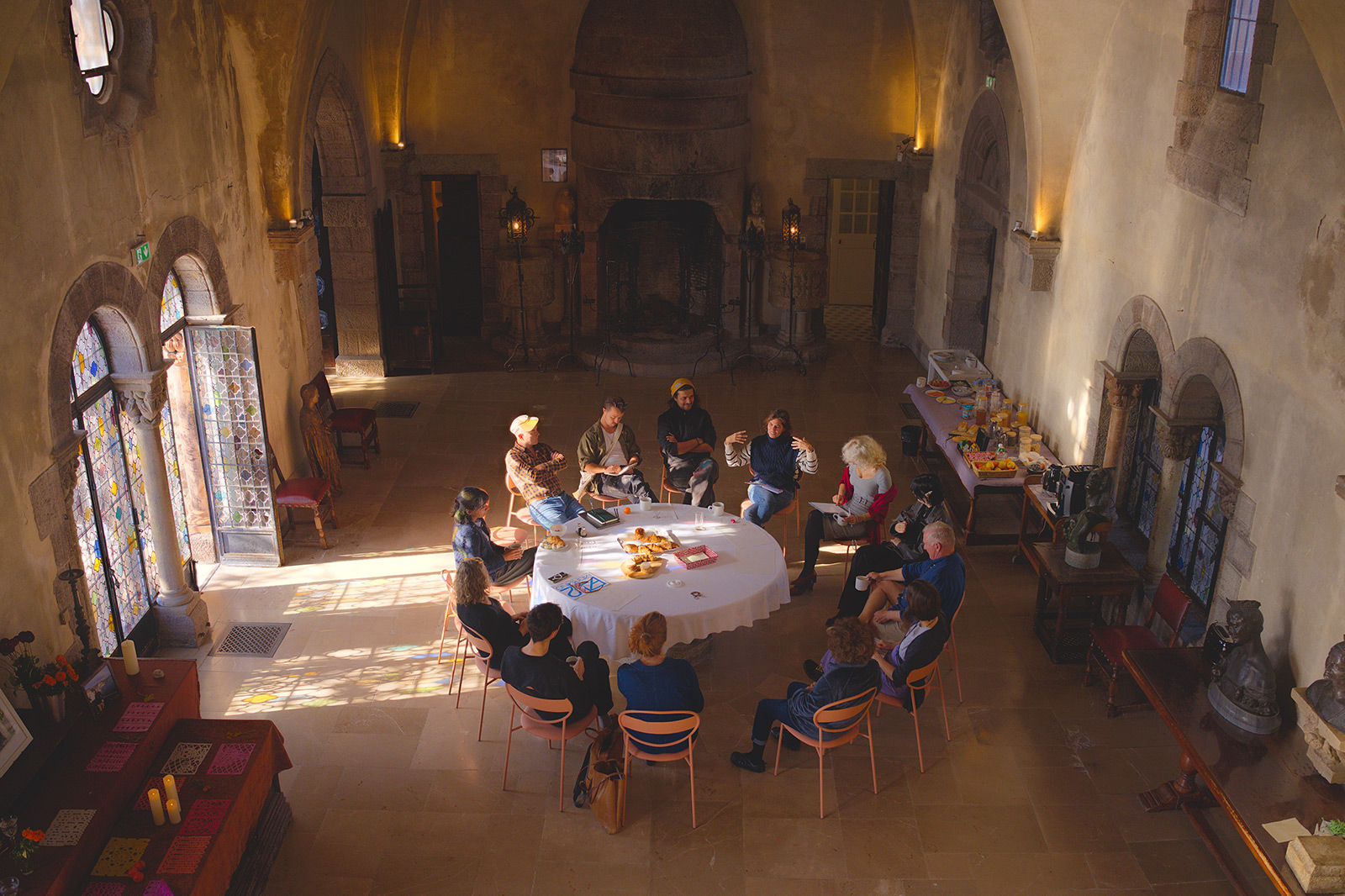
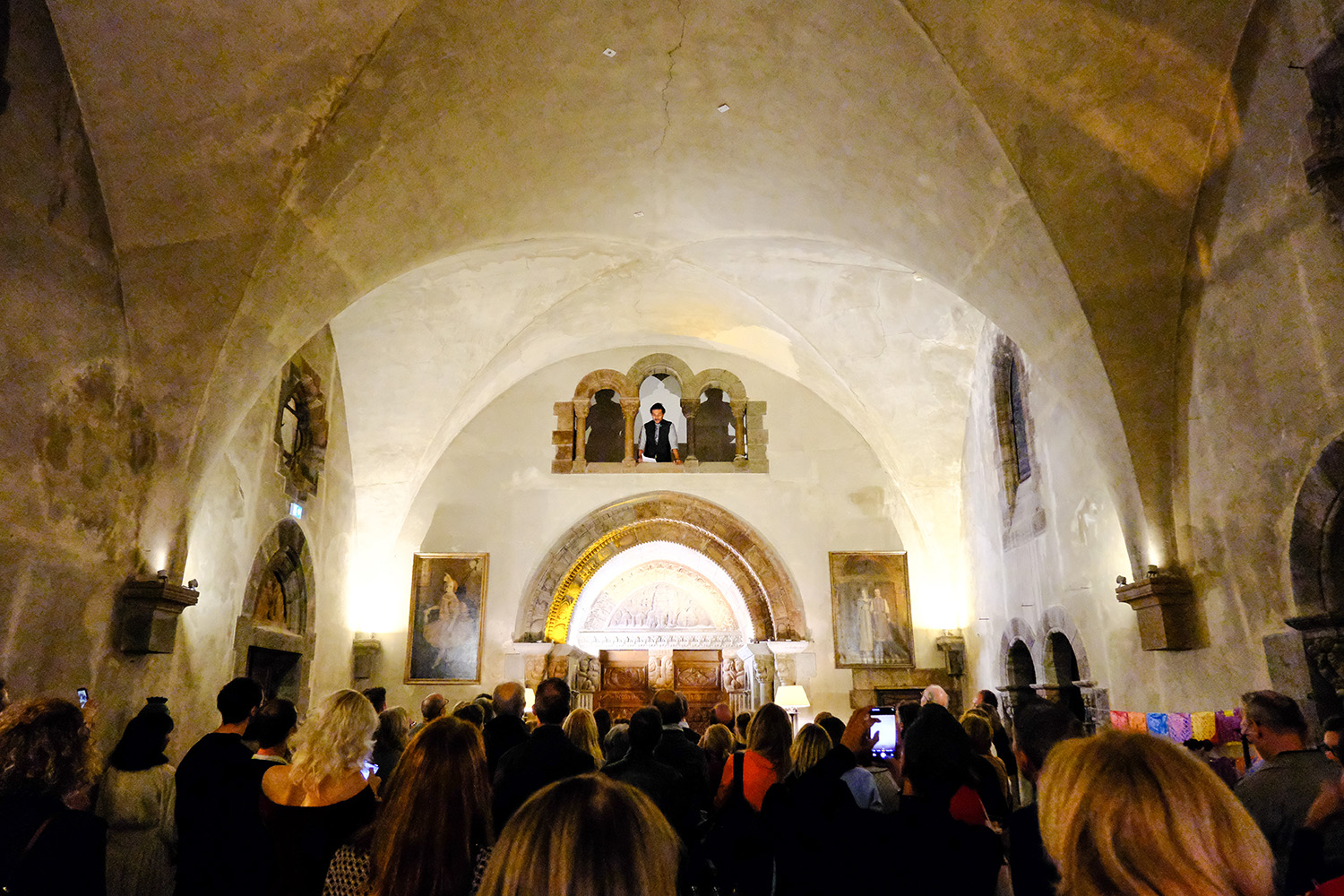
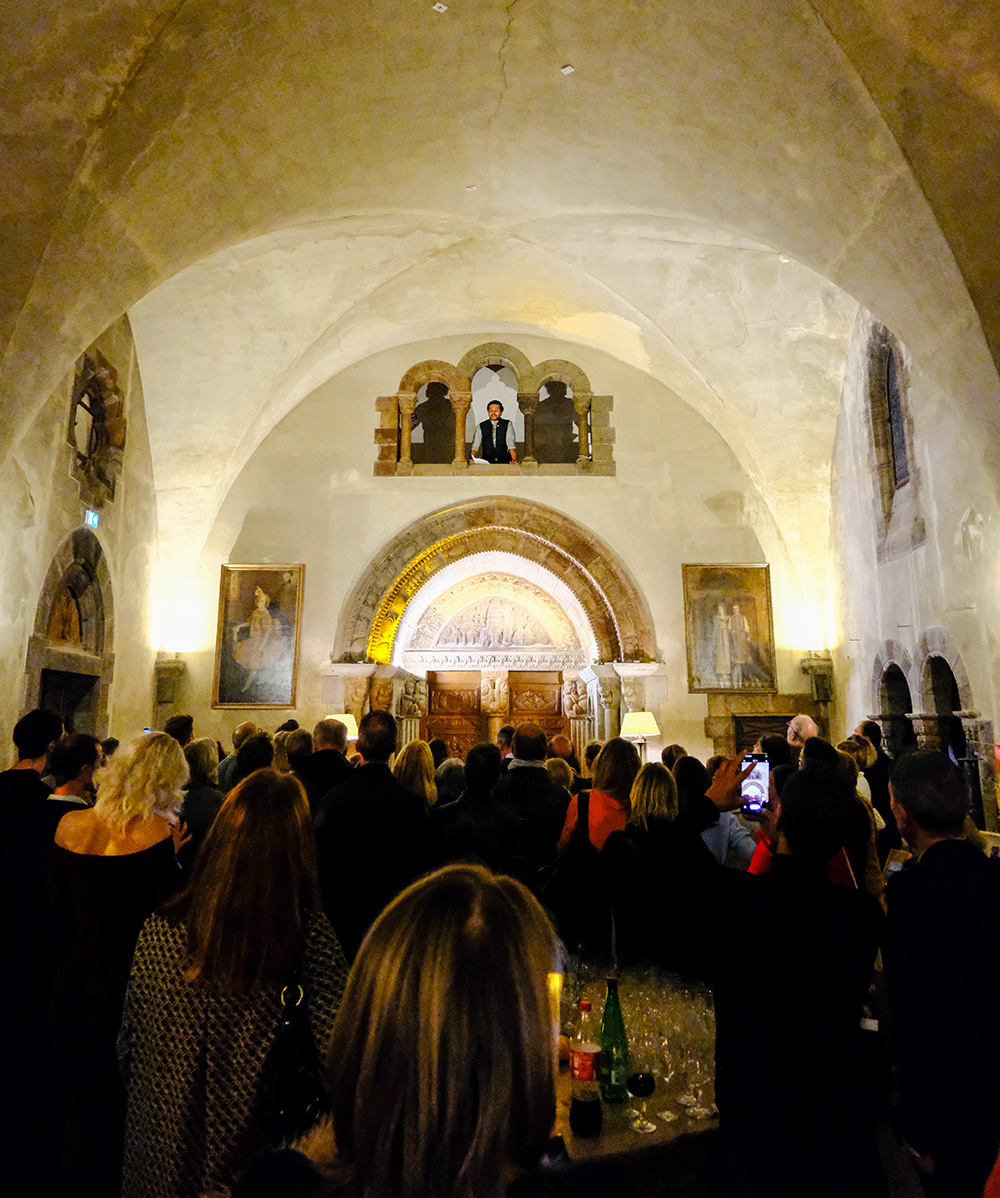
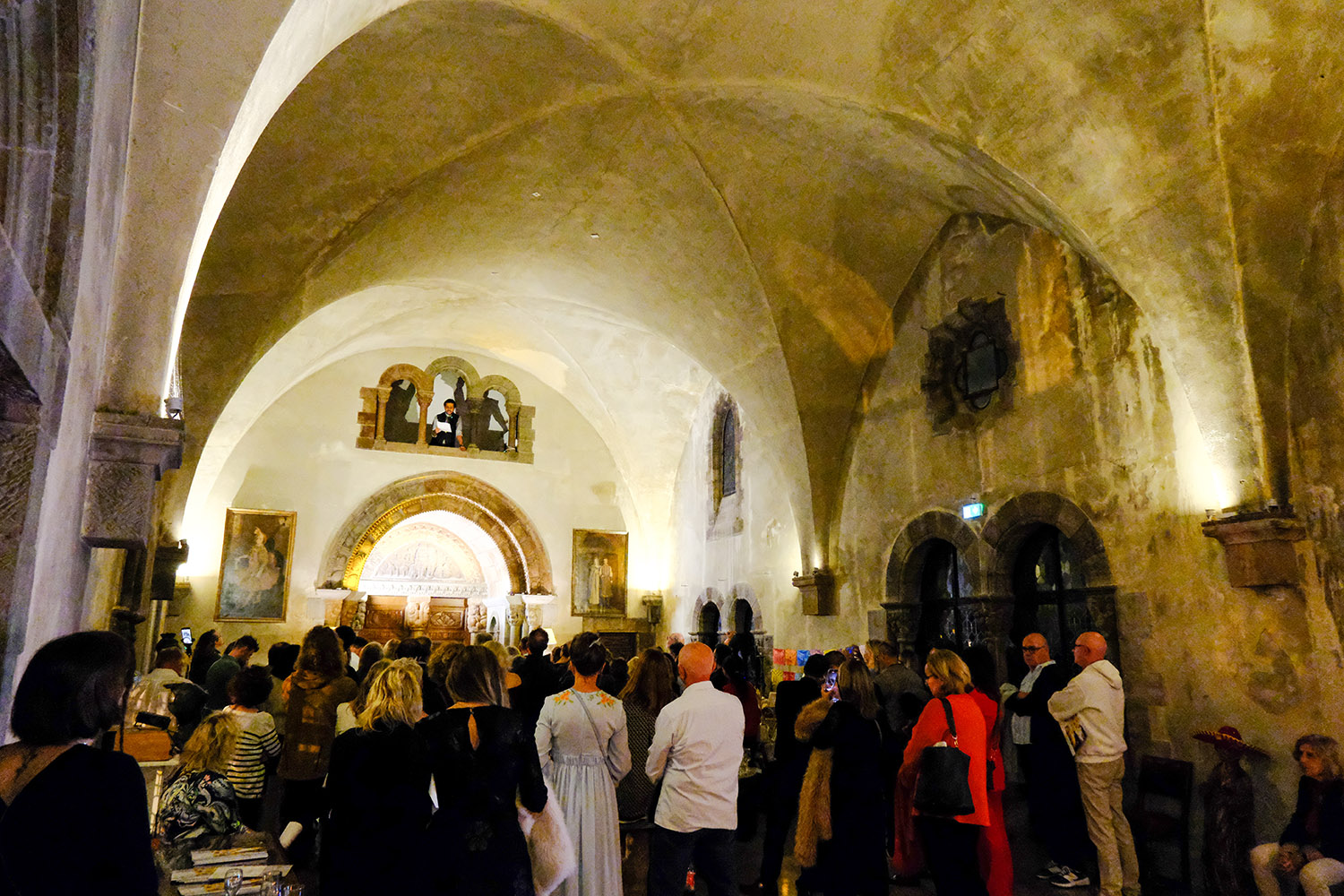
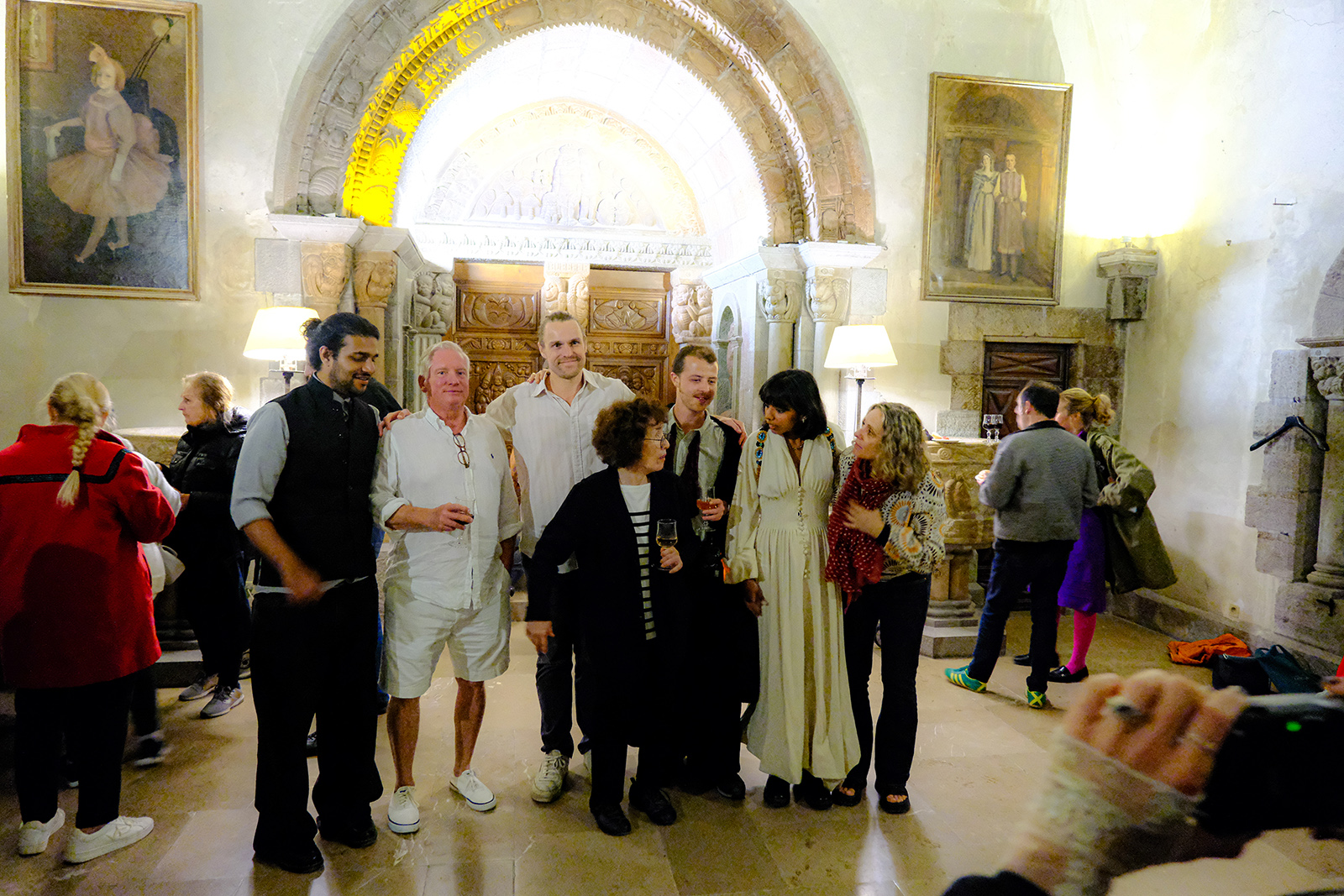
Let me give some context about where it is. The residency is in the Château de La Napoule, a castle that was restored in the 1900s, though its oldest towers date from the 1400s. It sits on the Mediterranean in the commune of Mandelieu-La Napoule in the south of France, fifteen minutes from Cannes, where the film festival happens. It is a very small town of about 20,000 residents, and the castle is one of its largest tourist attractions, so tourists come to see the old castle and the things around it. It is a strange space to be in. When you live there, it feels very historic, and every window opens directly onto the Mediterranean. The waves splash right up against the castle.
It is very peaceful, with no external noise whatsoever. It is just you, these historic buildings and the sea. Working by the sea is always soothing. There are no distractions anywhere, because the sea drowns out most of the noise, and there is no one else in this huge castle anyway. It is a really great place to work, because you have an excellent view and you are surrounded by all of this history.
The castle holds work by all of the residents who have passed through it. The original owner was a sculptor, so there is a huge room of sculptures that you can walk through at any point. The gardens are huge and professionally kept. The minute you get tired of seeing the Mediterranean sea, you can take a walk through the gardens, the sculpture rooms or the painting rooms. It is all very inspiring and conducive to work. You cannot really imagine a better working space.
What were you working on while you were there?
I am working on a collection of essays on specific subcultures in Lahore. The essay I was going to write there was on snooker culture in Lahore, what it looks like, and all of the actors involved in it. I took all of my files with me: some 200 pages of notes, police reports, gambling reports, videos and about 500 pictures. I spread them out on a table like a police report, trying to capture what this scene really is and what it represents. It is almost a 30-page essay, which I ended up writing there.
What does a typical day look like?
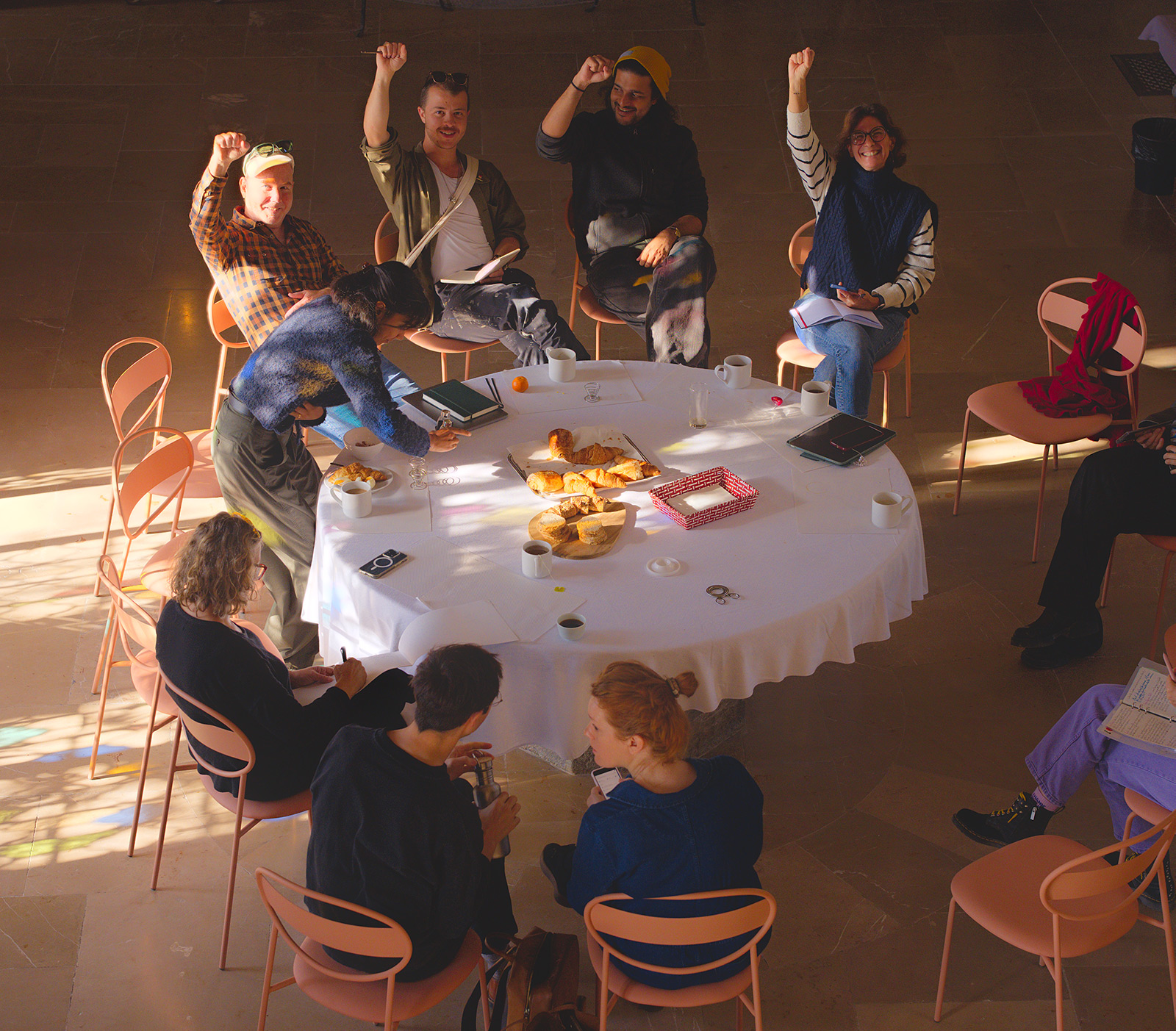
You wake up at about 8 a.m., because breakfast is served from 8 to 10. It is not very Pakistani at all. All of the residents show up: me and nine others from all over the world and across disciplines. I was the youngest resident and one of only three writers. I am also the first Pakistani in this residency's 40-year history of artist alumni, which has been running since 1986. There are two cohorts every year, a fall cohort and a spring cohort, and more than 400 artists across all mediums now apply for each cohort, from which they select around 10 people across all disciplines.
You show up to a Gothic dining room where there is a breakfast spread, and everyone meets at a circular table and has breakfast until ten. Then you have a coffee by the ocean. People start making their way to their studios, and all ten artists work there until about 2 or 2:30 p.m.
Lunch is not served, but there are fully stocked kitchens, so everyone meets in the kitchen. Some people make meals. I used to walk over to the village and buy bread or a sandwich. It is a communal meal and a lot more casual. We were supposed to go back to work afterwards, but by lunchtime you are kind of done, because you have already worked the first four or five hours of the day. From about 3 or 4 p.m. we would all go swimming or paddleboarding in the Mediterranean, and from 5 to 7 we would try to get some last work in.
At 7 p.m. there is a formal dinner, a three-course meal. The French like to have long dinners, so it is 10 p.m. by the time it ends. Then you hang around until 11, and everyone is asleep by 11:30 at the very most. That was the average day.
How does writing there differ from writing during the semester here?
One of the things writing residencies try to do is push away your regular responsibilities. I was still teaching courses online, but I was not in my office, so there were no random administrative duties, no students popping in and no extended office hours. You are also removed from things like people's birthdays and visits. So, you have a lot more time, even though I think LUMS is such an excellent place to write. You are in a place where you cannot physically meet any of your friends or relatives, and that is super helpful.
The second thing is that you are surrounded by nine other people who are all working on something, which is really important, because it is inspiring. You see someone painting the whole day and you think, this is excellent. You talk about possible collaborations. You get inspired by their work, and they like what you are writing and incorporate it into their paintings. So, there is a lot of collaboration, because ten people are working on ten different things, but they are all working together. I had never thought of painting as a metaphor, or as something I could collaborate with or use.
It is also a lot more structured. Your day has a structure unlike before: from this time to this time is my time to write, and I do not have the other responsibilities I would have back in Lahore. And everyone is always talking about their process, which is refreshing. You are asked what you are working on and what the next step is, and I think that forces you to get to work.
Was there a moment when something clicked, or when the direction of your writing changed?
One thing I realised is how important it is to contextualise the essay, because no one really knew what snooker was. I write in English, and I hope this essay will reach a slightly broader audience, so I needed to contextualise it more, perhaps by describing it in terms of pool, though a snooker table is larger. I also got feedback on what I was writing about. People would ask questions, and I would note what was interesting to a broader audience and what needed more explanation. That was really useful.
We also went out and played several times. I think that may make its way into the essay. That was also really useful.
Has the experience changed how you think about teaching, writing or literature?
When you are removed from the context you live in and exposed to so many international people and cultures, it tells you how important nuance and different points of view are. It pushes the idea that I need to incorporate even more cultures into my teaching and my own writing, whereas I like to talk specifically about Pakistan in a specific language. Now that I know people from all these parts of the world, I would also want them to read my work and understand it.
I do not know whether it has changed how I might write, but it has definitely changed my teaching. There is so much happening in the world, and so little that people from other cultures know about us, and that we know about them. There need to be more diverse stories in what you teach, and more conversations with these people. Even while I was there, there was an English poet whose work I thought about including in my own syllabus, and I thought about inviting him to speak over Teams. He was very open to that. So maybe the next time I teach this course, or in the summer, I intend to invite him to talk about his work. Hopefully that leads to more things.
What advice would you give to students who want to write seriously, or who are curious about applying to residencies?
If you want to write seriously, the one thing is that you cannot stop writing. So many other things happen in your life: financial concerns, concerns about your parents, your siblings, your friends. And writing has no immediate payoff. It is not a glamorous, high-income profession, so you need to understand that you are not doing it for fame or money. It needs to be a part of your life, and you need to keep reading throughout. That is something I realised during this: I need to be reading even more than I do. As long as you keep reading and keep writing, despite everything happening, I think that is the most important thing.
As for applying to residencies, most of them are geared towards early-career writers. Once you graduate, you would want a couple of years to finalise whatever short stories, essays or poems you are working on and get some of them published. You would want to have three or four years of material done, come into your own voice, and then start looking into residencies.
There are so many all over the world. One of the interesting things is that the person who funds the Château, the great-grandson of the sculptor, was there, and we had dinner with him. He asked me how I had found the residency, and I said I was really embarrassed, but I had simply searched for the best writing residency in the world, fully funded, open to all international nationalities, and not in the United States, where there happen to be so many. I told him that his was the first one that came up, so I found it through a Google search.
Now that I have been there and met people who have been on so many others, I can say that this was my first writing residency, and I was the youngest person there. Everyone else, including people in their seventies and eighties, had been through many more. They gave me a much better process for going through other websites and portals where you can look up residencies, rather than just randomly googling. I hope this becomes the first of many. I am excited about going to them, learning from them and bringing that back into my own teaching practice here at LUMS.
What questions did your students have for you upon your return?
Lots of students have come to me and asked whether the croissants are really good. You can tell them that yes, they are quite excellent, as you would imagine.
What is next for the snooker essay, and when can readers expect to see it?
This has been a really long journey. The English stream gave me three months of funding in the summer to research it. My research assistant Salman Haider Zaidi, an anthropology senior, and I worked all summer collecting the material. We went to 48 or 50 clubs and met close to 1,000 people, including the world champion, Mohammad Asif, who drove to meet us. We went to police stations and met police officers. There is so much material to work through. And now I am at a stage where all of the material has been handed over to me.
We are done with the research phase, and I am done with the initial draft. Now I am going to bounce the draft back and forth. I think it might be in January, maybe, by the time I have the final version, and then I will send it out to magazines, a reasonable magazine anywhere in the world. It takes almost eight months to publish: you hear back within four months, and then it takes another four months. So, if it all goes well, I hope readers can have it by summer.