

Beyond the National Narrative: Regional Accounts of Partition Violence
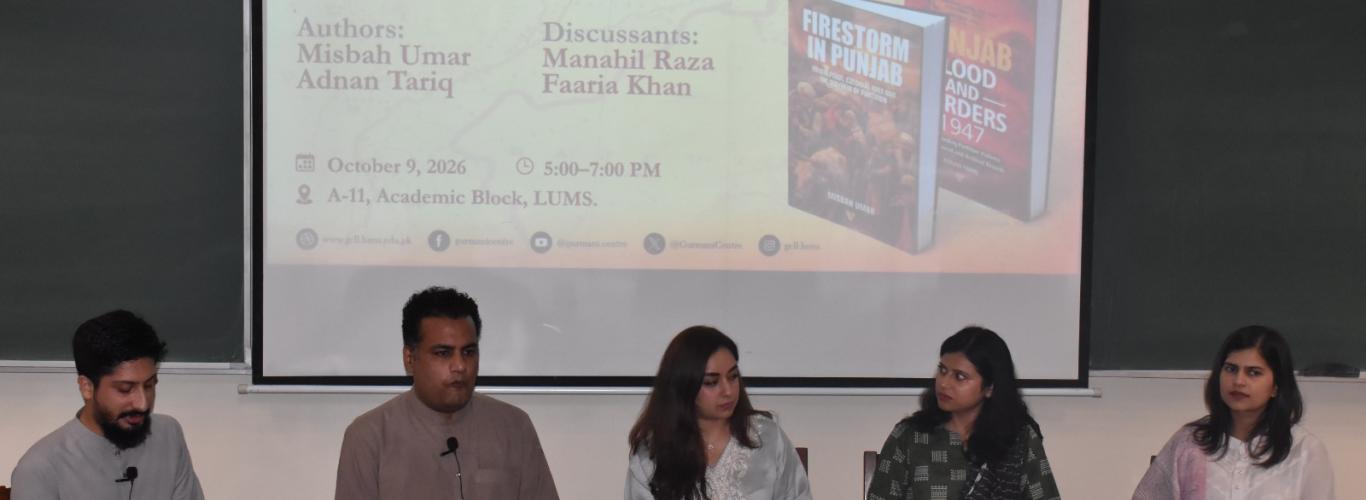


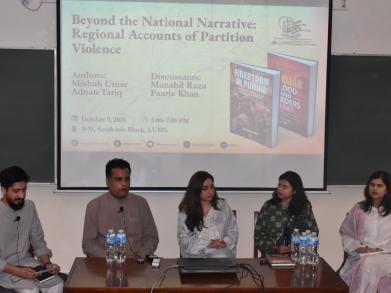
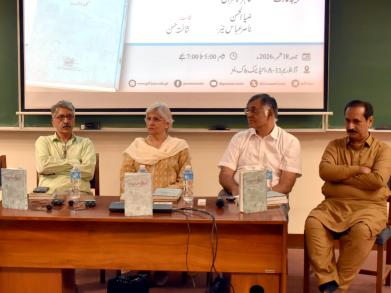
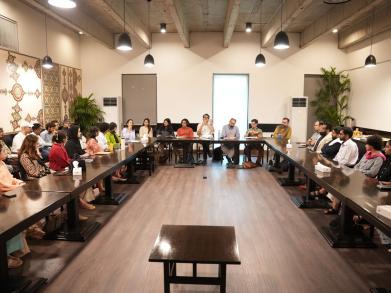
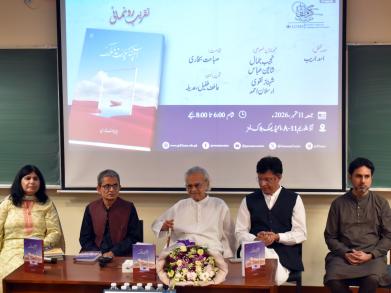
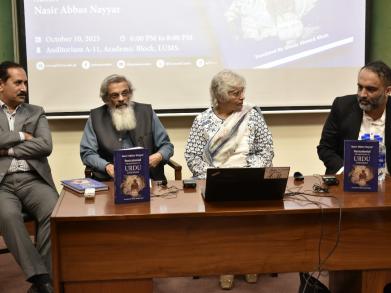
The Gurmani Centre for Languages and Literature hosted a panel discussion titled Beyond the National Narrative: Regional Accounts of Partition Violence. The event brought together historians and academics to explore the decentralized micro-histories of 1947, focusing on Misbah Umar's Firestorm in Punjab: Rawalpindi, Colonial Rule and the Mayhem of Partition and Adnan Tariq's Punjab Blood and Borders 1947: Understanding Partition Violence Through Secret and Archival Records.
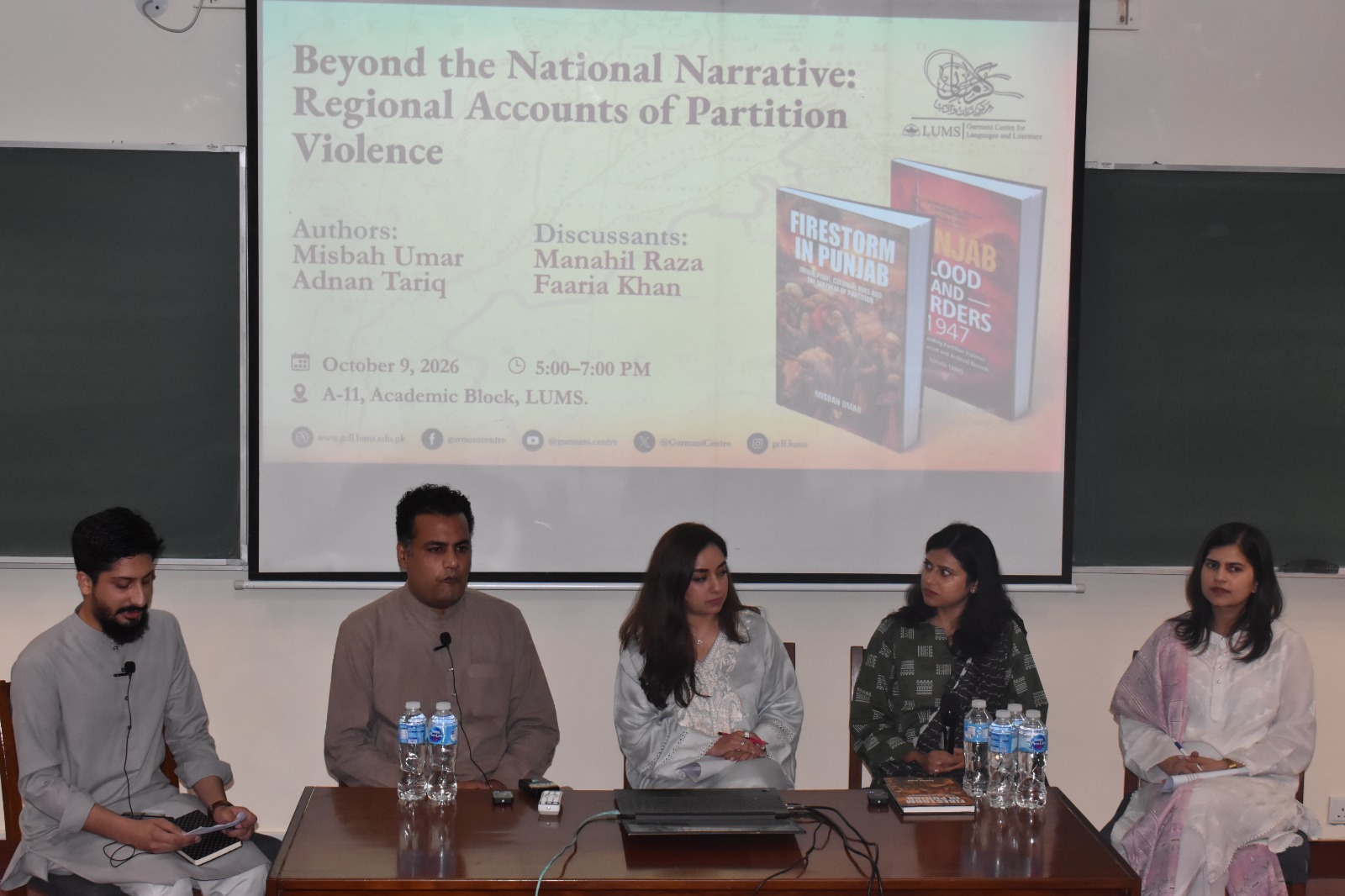
Misbah Umar opened the dialogue by shifting the geographical and temporal focus of partition historiography. She argued that the March 1947 riots in Rawalpindi and the Potohar region served as “constitutive violence” rather than peripheral incidents, setting a structural precedent for the widespread bloodshed in August. Discussant Faaria Khan expanded this analysis by examining the colonial state's calculated restraint. She questioned why the British abandoned their "doctrine of minimum force" to stop the riots. Khan also highlighted the tragic, gender-based violence of the time, specifically the self-killing of minority women who were left unprotected by a collapsing government.
The discussion then moved to archival research. Manahil Raza examined Dr. Adnan Tariq’s use of state documents. She stressed the need to read colonial intelligence reports "against the grain," pointing out that these files often reflect British fears rather than hard facts. In response, Dr. Tariq defended the value of these declassified sources. He explained how the July 1947 Nankana Sahib conference triggered a more organized phase of violence. He also noted that British officials deliberately underreported death tolls to hide their administrative failures.
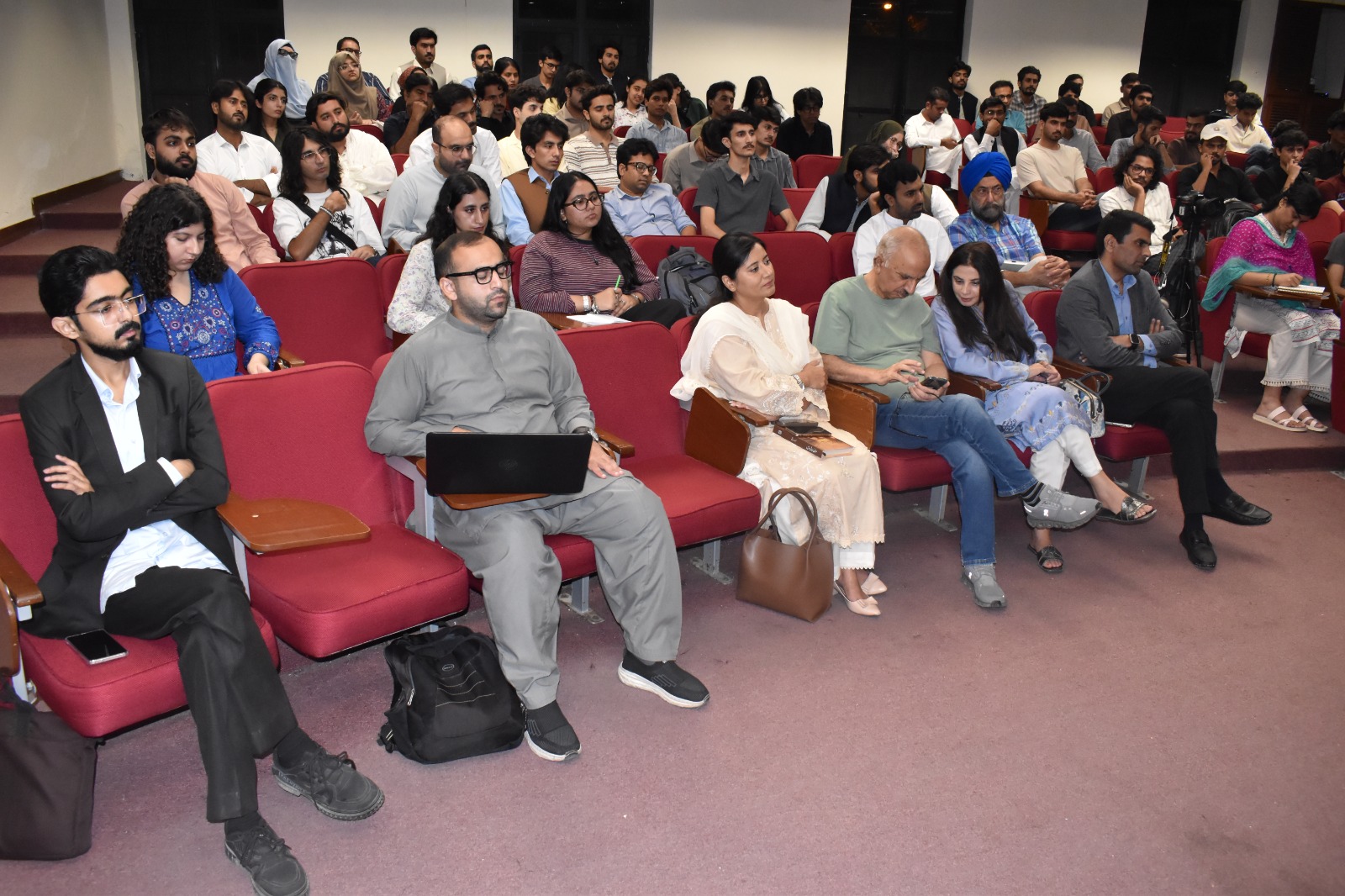
The event concluded by looking at how these histories apply today. Responding to audience questions, the panel discussed stories of neighbors protecting each other during the massacres. They noted that this protection usually stemmed from a shared cultural identity rather than religious ties. The session ended with a strong consensus: confronting local traumas and looking past official state narratives is not just an academic exercise. It is a fundamental requirement for reconciliation and peace in modern South Asia.