

How to Read Iqbal?
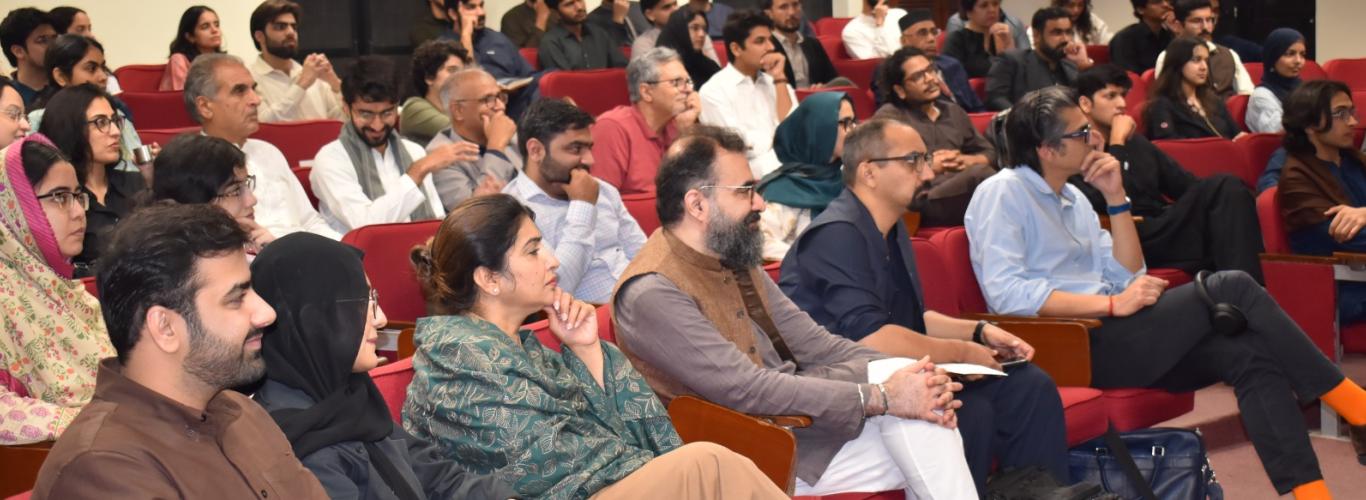


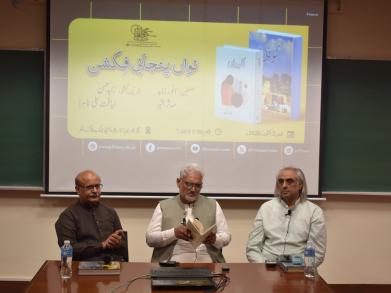
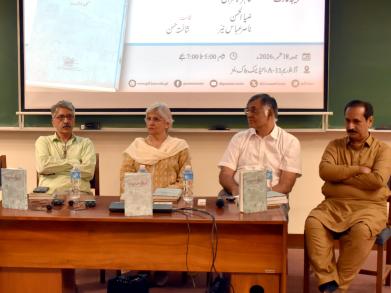
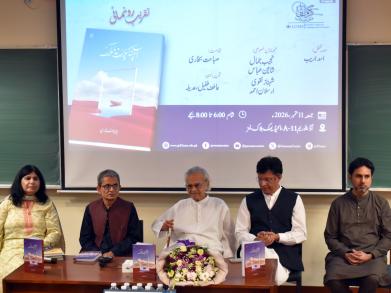
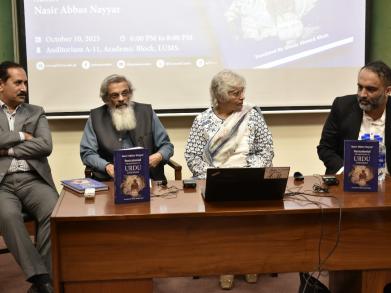
The Gurmani Centre for Languages and Literature, LUMS, hosted an engaging discussion centered around the core question: “How to Read Iqbal?” The session approached this question from two interconnected perspectives: reclaiming Iqbal’s aesthetic and Indo-Persian poetic roots beyond rigid ideological constructions, and examining the hermeneutical conditions under which his thoughts are read historically and existentially.
Dr. Fatima Fayyaz opened the discussion by situating Iqbal within the broader Indo-Persian literary tradition. She highlighted his recognition among contemporary Iranian literary figures like Muhammad Taki Bahar, who regarded him as a true successor to Bedil. She cautioned against the prevailing tendency to treat Iqbal exclusively as a social reformer or ideologue, arguing that reducing poetry to a vehicle for political messages strips it of its timeless aesthetic value.
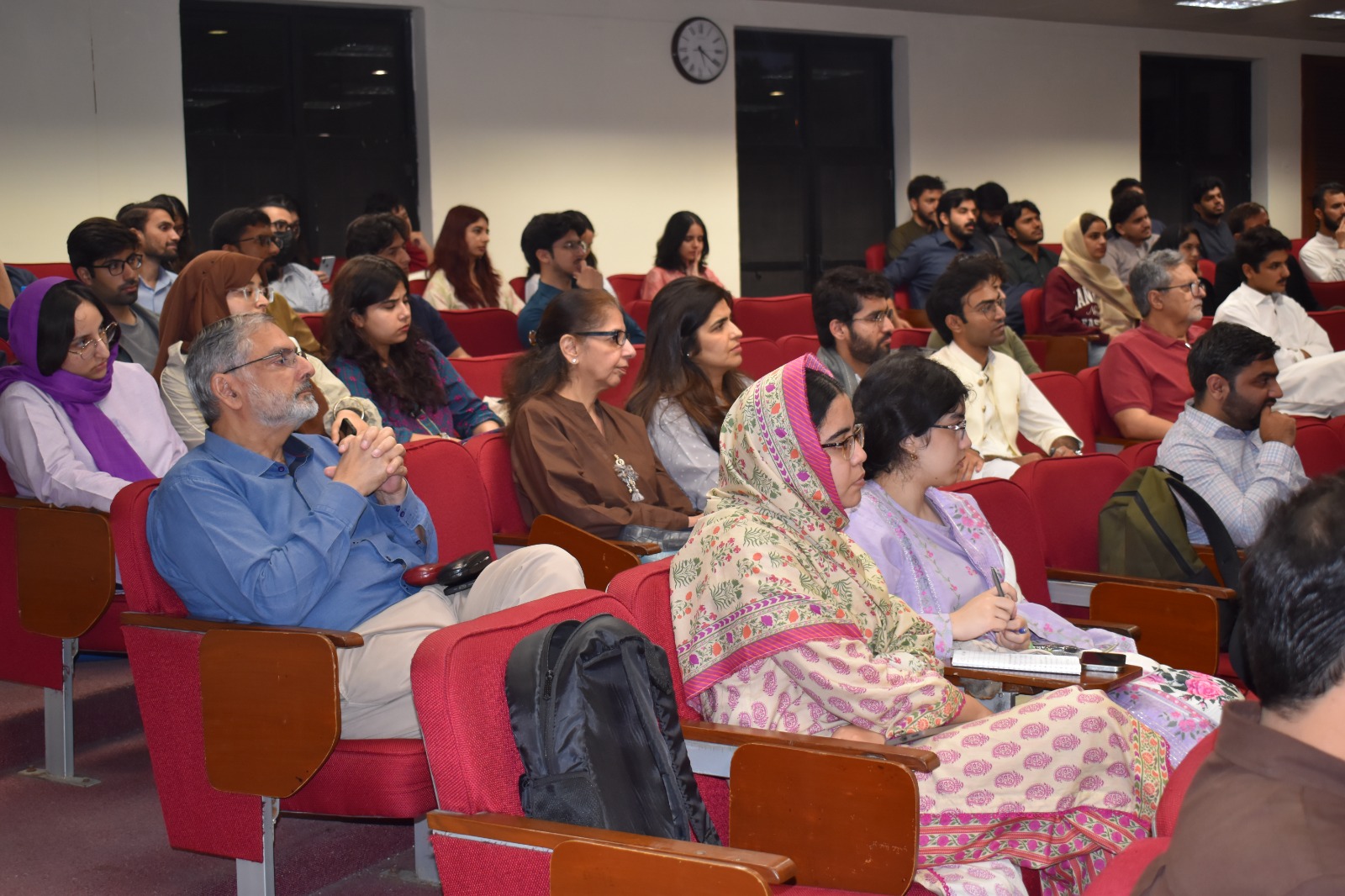
Shifting the focus to philosophical hermeneutics, Dr. Naman Faizi examined the peculiar nature of asking how to read Iqbal. He outlined different historical approaches to Iqbal’s major prose work, The Reconstruction of Religious Thought in Islam, ranging from outright dismissal by orientalists and its treatment as a necessary evil by technocratic minds, to its presentation as the work of a heroic reformer or even as the ultimate intellectual destiny of the world. Drawing upon Rilke’s Letter to a Young Poet, Dr. Faizi argued against casual or merely academic engagement with Iqbal. He proposed that one should only engage with Iqbal out of an inescapable existential necessity, when a reader shares an analogous sense of intellectual and spiritual brokenness.
The discussion concluded with an engaging Q&A session addressing the relationship between poetry, political utility, and tradition. It encouraged researchers to look beyond dogmatic appropriations and recover a rigorous and honest appreciation for Iqbal’s art and thought.